Sponsored article
Driving brings a sense of freedom, but it also comes with responsibilities, like ensuring you’re ready for emergencies. Vehicle fires are unpredictable and hazardous, but being prepared can make all the difference. This guide is designed to equip you with the knowledge and tools necessary to handle fire emergencies in your car. From understanding the importance of vehicle fire safety to knowing the right equipment to have onboard and conducting routine checks, you’ll gain valuable insights to keep you and your passengers safe.
Vehicle fire safety is a critical concern for every car owner, yet it often remains an overlooked aspect of regular vehicle maintenance and emergency preparedness. Statistics reveal that thousands of vehicle fires occur each year, causing significant damage, injuries, and even fatalities. The potential hazards of ignoring fire safety in vehicles extend beyond property damage, posing serious threats to the safety of drivers, passengers, and nearby individuals. Fire prevention should thus be a priority, with car emergencies due to fires often escalating quickly. Integrating proactive measures such as installing vehicle fire safety extinguishers is a practical step towards mitigating such risks. These extinguishers are specifically designed to handle various car fire scenarios efficiently, granting vehicle owners peace of mind. Being prepared not only safeguards personal safety but also ensures the protection of valuable property, promoting overall road safety. Emphasizing vehicle fire safety today can prevent devastating consequences tomorrow.
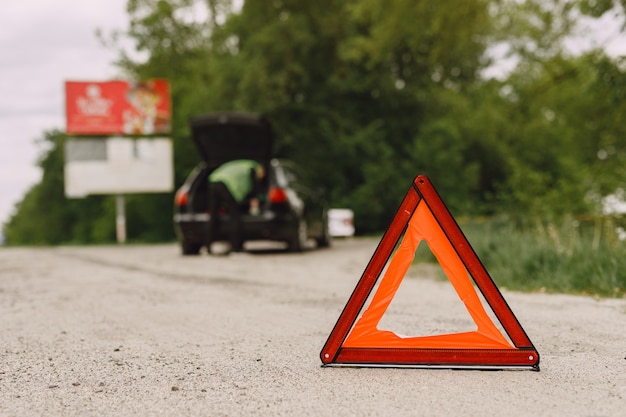
When it comes to preparing for fire emergencies in your vehicle, equipping yourself with the right tools can make all the difference. A high-quality fire extinguisher is a must-have safety equipment for any car. Look for small, portable fire extinguishers that are specifically designed for vehicle use; these are typically classified as ABC, adhering to the types of fires—combustible materials, flammable liquids, and electrical—that you may encounter in a vehicle. Besides fire extinguishers, consider a well-stocked emergency kit, which should include basic first-aid supplies, a flashlight, reflective warning triangles, and a thermal blanket to ensure preparedness for a range of scenarios. Other essential safety equipment items to have on hand are a seatbelt cutter and a window breaker, tools that can aid in a swift exit if necessary. Keeping these safety tools and equipment within reach allows you to respond quickly and effectively, minimizing risk and ensuring greater peace of mind while on the road.
Regular car maintenance is a crucial step in ensuring safety and can significantly help prevent vehicle fires. By incorporating diligent safety checks into your routine, you can address potential hazards before they become dangerous problems. Start by inspecting the electrical system, as faulty wiring or damaged connections can lead to short circuits and eventual ignition. Look for symptoms like flickering lights or blown fuses, which could indicate underlying electrical issues. Additionally, regularly check for fuel leaks by inspecting hoses and connections for cracks or damage and sniffing any unusual gasoline odors near your vehicle. These leaks are a common cause of vehicle fires, hence timely detection and repair are essential. Moreover, ensure that your vehicle is in good operational condition by adhering to manufacturer-recommended service schedules. Check and maintain proper fluid levels, including brake and power steering fluids, which are vital to safe operation. By prioritizing these regular checks, you create a proactive approach to car maintenance that effectively reduces the risk of vehicle fires.