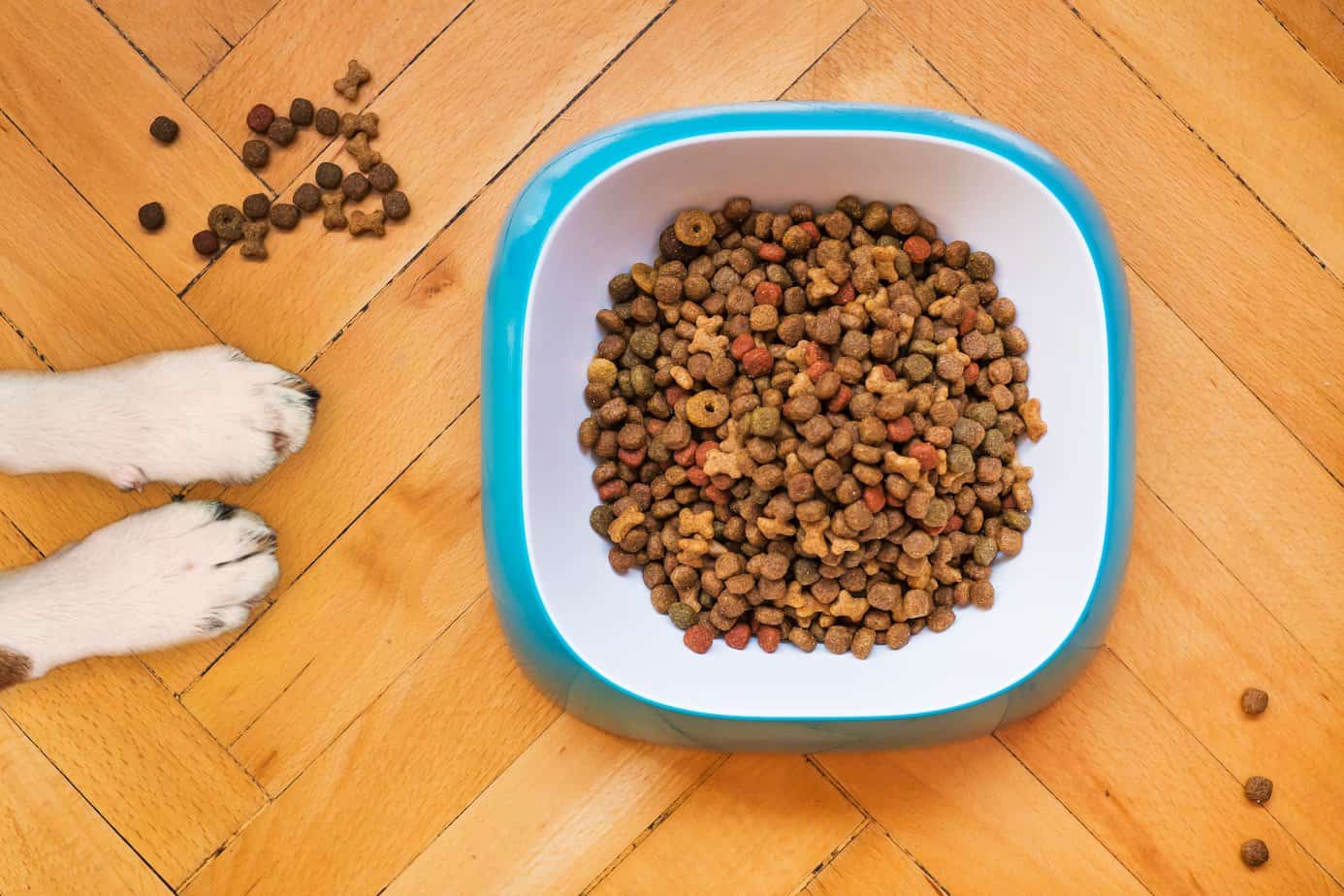
As pet owners, we strive to provide the best care for our beloved furry friends, and a crucial aspect of their well-being is maintaining a balanced and varied diet. Just like humans, dogs benefit from a diverse range of nutrients to thrive.
Feeding your dog a varied diet offers a multitude of benefits that contribute to their overall health and vitality. Just like humans, dogs require a mix of essential nutrients, vitamins, and minerals to support their immune system, maintain a healthy weight, and promote optimal organ function. A monotonous diet can lead to nutritional deficiencies and health issues over time. Incorporating a variety of foods into your dog’s diet can help prevent these problems and ensure they lead a happy and active life.
Dogs have diverse nutritional requirements based on their age, size, breed, and activity level. A well-rounded diet typically includes proteins, carbohydrates, fats, vitamins, and minerals. Proteins are essential for muscle growth and repair, carbohydrates provide energy, fats support skin and coat health, and vitamins and minerals contribute to various bodily functions. By offering a diverse range of foods, you can better meet your dog’s unique nutritional needs.
When aiming for a varied diet, it’s essential to prioritize high-quality dog food. Pets at Home offers a wide selection of dog food brands that cater to different dietary preferences and needs. Look for dog food that lists real meat as the primary ingredient, as this provides the necessary protein content. Reading labels and understanding ingredients is crucial to making informed choices about your dog’s nutrition.
1. Protein Rotation: Rotate protein sources in your dog’s diet. Alternate between chicken, beef, lamb, and fish to provide a range of amino acids and nutrients. This can also be beneficial for dogs with allergies to specific proteins.
2. Veggie Delights: Certain vegetables like carrots, peas, and sweet potatoes can be added to your dog’s diet for added vitamins and fiber. Always ensure they are cooked and cut into small, manageable pieces.
3. Fruit Frenzy: Many dogs enjoy fruits such as apples, blueberries, and bananas. These treats can provide natural sugars and antioxidants.
When introducing new foods, do so gradually. Start by mixing a small portion of the new food with their regular food, and over the course of several days, increase the proportion of the new food while decreasing the old food.
In conclusion, providing a varied diet for your dog is a key component of responsible pet ownership. By offering a diverse range of foods that cater to their nutritional needs, you can enhance their overall health and well-being. With the availability of quality dog food pets at home, achieving a varied diet has never been easier. Remember, a balanced diet is a step towards a joyful and vibrant life for your furry companion.
Main photo: Mathew Coulton/unsplash.com
Sponsored text