Sponsored article
The craftsmanship of medieval swords is more than just a tale of metal and fire; it is a testament to the technical expertise and cultural significance of these legendary weapons. In an era defined by conflict and chivalry, the sword was not only a tool of war but also a symbol of social status and artistic expression. This article delves into the rich history and techniques behind crafting these formidable weapons, revealing how artisans of the time blended skill with creativity to forge the symbols of their age.
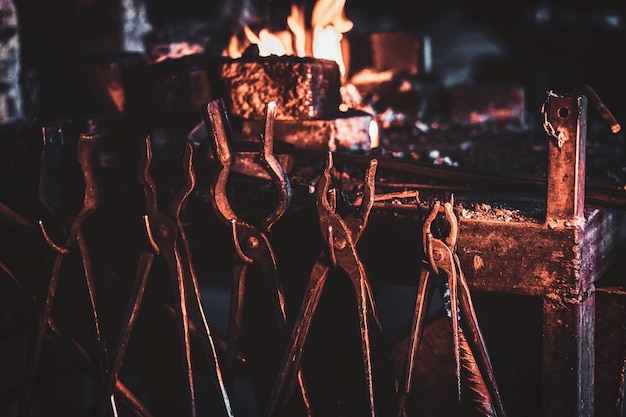
The art of swordsmithing in medieval times was a complex and revered craft, requiring a deep understanding of both techniques and metallurgical skills. Medieval swordsmiths underwent extensive training, often beginning as apprentices under established masters to learn the essential skills of the trade. The process of crafting a sword involved the intricate art of forging, which required the heating of metal to a malleable state. This was followed by the skilled hammering and shaping of the metal to form a blade that was both durable and functional, yet elegantly designed. Swordsmiths had to exercise immense patience and precision, as any flaw in the blade could lead to a weapon that was ineffective or even dangerous.
Attention to detail was paramount, with each sword requiring hours of labor to ensure it met the standards of the era. Understanding the properties of different metals was crucial, as varying alloys provided distinct benefits in terms of strength and flexibility. Medieval swordsmiths employed methods such as pattern welding to combine different metals, resulting in blades with unique patterns and superior resilience. Their dedication to the craft not only produced weapons of war but also works of art, admired both for their beauty and their deadly utility. These enduring creations continue to capture the imagination, serving as a testament to the incredible skill and artistry that characterized the medieval era. More information on this topic awaits you at https://www.medievaldepot.com.
The art of medieval sword making was intricately tied to the selection and preparation of sword materials, a process that heavily influenced a weapon’s durability and overall effectiveness. At the heart of this craftsmanship was steel, prized for its superior strength compared to wrought iron. Swordsmiths employed several types of steel, each offering unique properties that could be harnessed through innovative techniques. During this period, advancements such as the development of pattern welding—an early form of forging different steels together—led to swords with enhanced flexibility and resilience. The combination of these materials allowed the weapons to withstand the rigors of battle while maintaining a sharp edge.
To further improve sword material quality, medieval swordsmiths engaged in a meticulous preparation process that included:
These innovations underscored a focused commitment to improving weapon durability and performance, making medieval swords formidable tools of war.
The art of medieval swordsmanship is deeply intertwined with the varied and iconic sword types that emerged across cultures, each reflecting unique design and usage. Among these, the longsword stands out, renowned for its versatility in both cut and thrust techniques. This two-handed weapon, with its tapered blade, symbolizes the martial skill and chivalric values of the late Middle Ages, embodying both cultural significance and martial innovation. In southern Europe, the falchion exemplified a distinct evolution, its single-edged blade akin to a machete—ideal for slashing in close combat. Despite its formidable power, the falchion also carried cultural weight, often associated with the common foot soldier’s practicality and the more brutal aspects of medieval warfare.
In contrast, the Scottish claymore, with its massive blade and cross hilt, serves as an emblem of national pride, embodying fierce independence and strength. This iconic sword style, wielded with two hands, was designed for powerful, sweeping attacks, making it a formidable presence on the battlefield. Each sword type reveals a rich tapestry of history, with design and use intricately connected to the identity and needs of the societies that forged them. From the elegant balance of the longsword to the raw power of the claymore, these medieval weapons continue to fascinate, offering insights into the cultural significance and practical demands of their time.