Sponsored article
The medieval period was a time of great innovation and artistry, especially evident in the creation of weaponry and armor. The skilled blacksmiths and artisans of the past combined functionality with intricate designs to produce weapons and armor that were not only tools of war but also symbols of status and craftsmanship. This article delves into the evolution of these tools, exploring the techniques and cultural significance behind their creation.
The historical evolution of medieval weapons is a fascinating journey marked by ingenious blacksmith techniques and the influence of cultural exchanges. During the medieval period, the craftsmanship of weaponry was not merely for utility but was considered an art form. Blacksmiths dedicated countless hours to improve the effectiveness and durability of weapons such as swords, axes, and maces. The advent of new materials like steel allowed these artisans to create weapons that were stronger and more resilient than ever before, displaying the intricate artistry behind each piece. Techniques such as pattern welding and differential hardening revolutionized the construction, ensuring that the blades were not only sharper but also tougher, shifting the balance of power on the battlefield.
Technological advancements and cultural exchanges played a crucial role in shaping weapon designs across regions. As the medieval world expanded through trade and conquest, blacksmiths adapted techniques from different cultures, such as the forging methods seen in Eastern and Islamic weaponry, which led to hybrid designs with improved functionality. The cross-pollination of ideas enabled a vast array of weapon innovations, from the slender, piercing blades of the rapier to the robust longswords wielded by knights. For enthusiasts and collectors, a visit to a medieval shop showcases the legacy and artistry of these historical weapons, providing a tangible connection to the past. Explore the diverse collections at Medieval Depot where the timeless allure of ancient craftmanship is still celebrated.
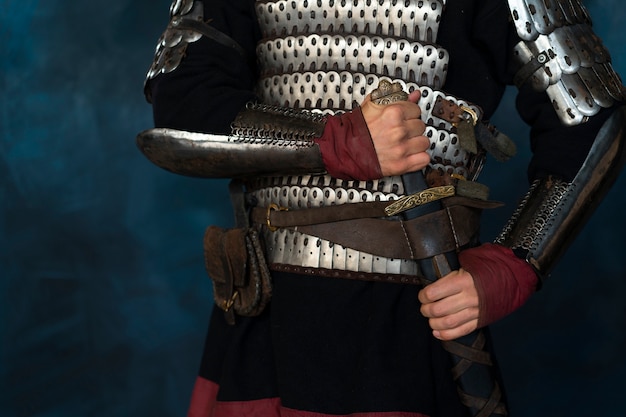
During the Middle Ages, armor crafting was an essential and revered skill, with artisans dedicated to perfecting the creation of medieval armor as both protective gear and a symbol of status. The process involved various materials, with steel being the most prominent due to its strength and durability. Artisans employed techniques such as forging and riveting to ensure that jointed plates could offer maximum mobility while maintaining critical protection. A diversity of design variations emerged, adapting armor to the specific needs of knights and soldiers, such as the chainmail for flexibility and full plate armor for formidable defense.
Artisans also showcased their creativity through intricate engravings and embellishments, making each piece unique. Regional differences played a significant role in armor styles, influenced by local warfare strategies, climate, and available resources. Notable distinctions included:
Ultimately, the art of armor crafting in the Middle Ages reflects a blend of functionality, artistry, and regional flair, highlighting the skill and ingenuity of medieval craftsmen.
In medieval society, weaponry and armor were not merely tools of war but powerful symbols embodying the cultural significance of their time. Owning exquisitely crafted swords, lances, and suits of armor was often a reflection of one’s social status and power. Elaborate armory adorned with intricate designs and precious metals signified the wealth and influence of their bearers, serving as tangible representations of nobility and knighthood. These items were frequently bequeathed through generations, becoming cherished heirlooms that reinforced familial legacy and honor. The majestic display of jousts and tournaments, with knights in gleaming armor, further entrenched these symbols into the fabric of cultural celebrations, showcasing ideals of valor and chivalry.
Beyond their physical presence, the cultural significance of weaponry and armor permeated medieval art and literature. Epic tales of heroism, as depicted in illustrated manuscripts and poems, celebrated the warriors and their battles, with weapons and armor as central motifs. Iconography from this era frequently incorporates imagery of knights and their implements, illustrating the pervasive influence of armory in shaping societal values. Weaponry and armor also significantly impacted medieval warfare by prompting innovations in military strategies and tactics. As such, these crafted items were not just instruments of combat; they were pivotal in shaping historical narrative and identity. Their enduring legacy offers a window into the medieval ethos, reflecting a society where martial prowess and fine craftsmanship were deeply intertwined.