Causes of excessive hair loss

Causes of excessive hair loss

It takes approx. 3 minutes to read this article

More and more people are struggling with excessive hair loss. What might be the cause of this problem? What is worth paying attention to?

Hair Loss – When Should You Be Concerned?

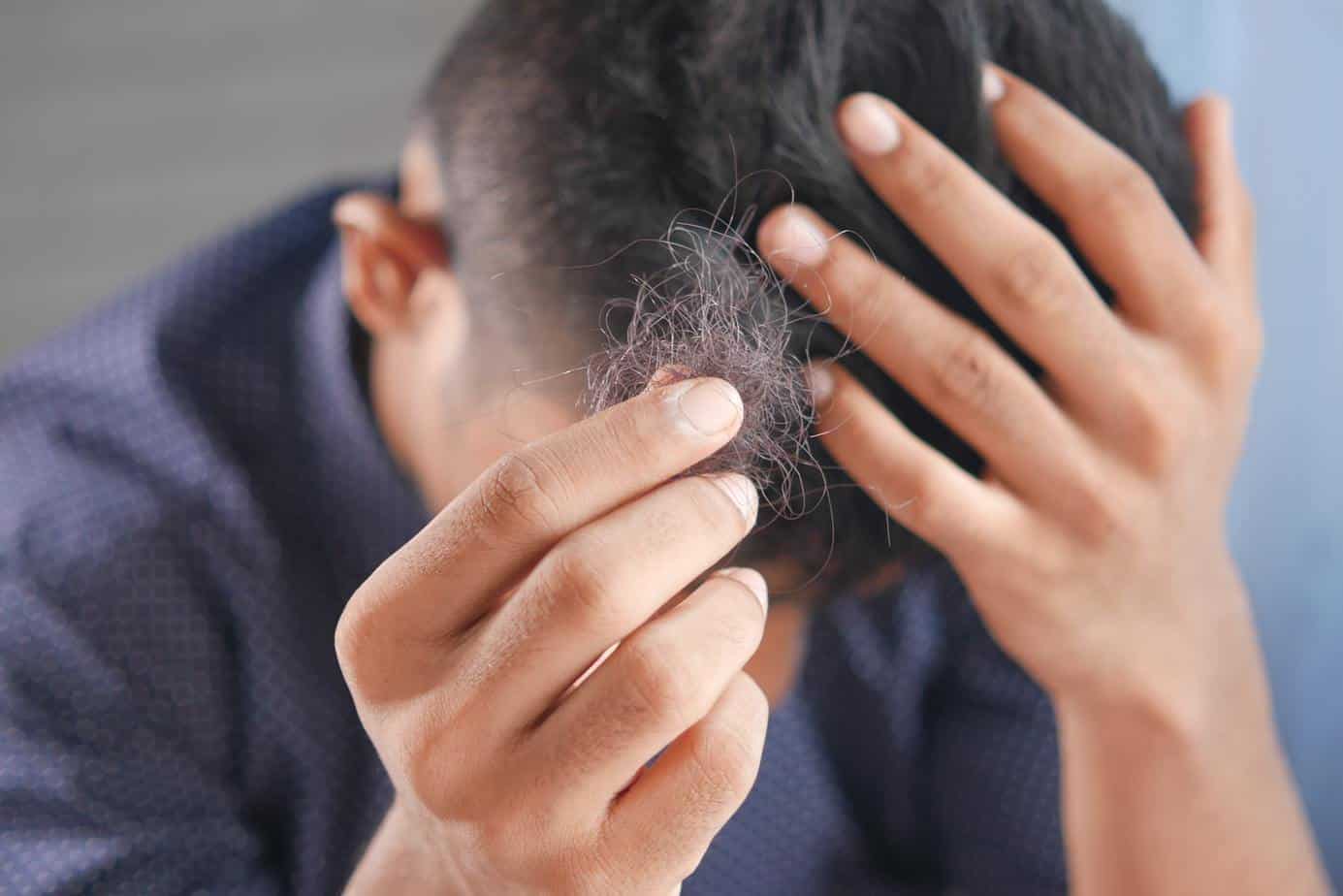
Hair loss is completely normal as long as it is not caused by excessive hair loss. It is therefore normal to lose up to 100 hairs per day. If you are losing more than this, you are dealing with excessive hair loss and need to take a closer look.

Causes of Hair Loss

Thecauses of hair loss can vary greatly. If you are struggling with excessive hair loss, review the following list of the most common causes:

  • inadequate hair care – at the very beginning, it is worth considering whether you are brushing your hair by force, using straighteners, curling irons, hair dryers too often, or dying your hair, teasing it, putting it in tight buns – many physical and chemical factors can lead to damage to the structure of the hair and scalp and thus exacerbate hair loss;
  • chronic stress;
  • poorly balanced diet, deficiencies of micro- and macroelements (e.g. zinc, iron), too radical slimming diet, eating disorders (e.g. anorexia, bulimia);
  • hormonal disorders – excessive hair loss often affects people with hypothyroidism and hyperthyroidism, women after childbirth (so-called postpartum alopecia), women after menopause (due to a decrease in estrogen levels);
  • diseases of the scalp (e.g. seborrheic dermatitis, ringworm);
  • taking certain medications such as chemotherapy, but also while taking certain contraceptives or anticoagulants;
  • smoking cigarettes;
  • chronic cold, flu;
  • certain infectious diseases (e.g. syphilis);
  • poisoning with heavy metals (e.g. mercury, thallium).

It is important to note that the above list does not contain all causes of excessive hair loss, it only includes the most common ones

When Should You See a Doctor?

There are many causes for hair loss and it is impossible to list them all. Therefore, it is very difficult to clearly determine why our hair falls out. Very often, there are several reasons for hair loss. If excessive hair loss worries you or you suspect that it may be due to a disease, it is necessary to see a doctor. Only a proper diagnosis and properly selected preparations are able to effectively eliminate the problem of hair loss for a long time. It is worth knowing that diagnosis and treatment of ailments related to the scalp and hair is dealt with by a doctor of trichology

Home Remedies for Hair Loss

If you are sure that the excessive hair loss is not caused by a disease but, for example, by a stressful period of life or by too strong hair styling, you may try home remedies for hair loss. The most popular of these are:

  • rubbing egg yolk mixed with olive oil;
  • drinking an infusion of field horsetail and/or nettle;
  • rubbing in linseed gel (the so-called linseed glut).

In addition to home remedies, hair strengthening preparations, which are available at pharmacies, should also be used. These are usually mixtures of B vitamins, vitamin C, E and A.

Main Photo: Towfiqu barbhuiya/unsplash.com

Add comment

Your email address will not be published. Required fields are marked *

*

6 − six =

Recommended articles
How to arrange clothes in a small closet? Some practical tips
Are you looking for ways to optimize the inside of your closet? If so, be sure to check out the tips in this article. We give you tips on how to store your clothes in a small closet!
Natural ways to enhance your features with makeup
Discover how to naturally enhance your facial features using makeup. Uncover the power of contouring, color selection, and blending techniques for a fresh, natural look.
Sibling rivalry – how to deal with it?
Sibling rivalry is strongly felt in many families. It has many positive sides, but it is also worthwhile to ensure a good relationship between siblings.
Latest articles